Client Name: XXX
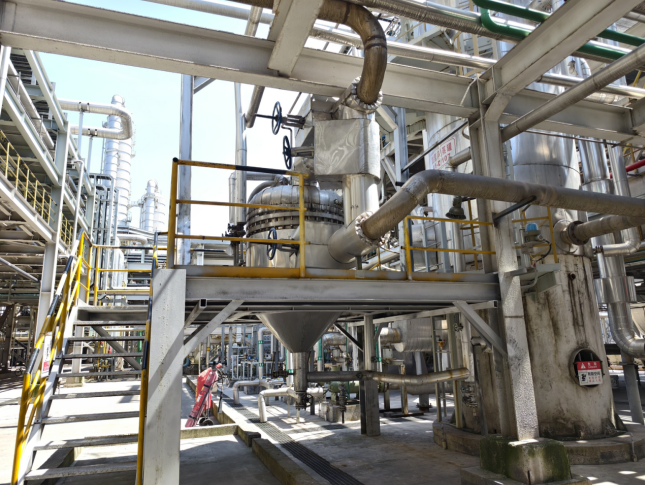
Plant: Cyclohexanol Plant via Hydration Process
Background
The cyclohexene process was developed by Asahi Kasei Corporation of Japan. Using refined benzene as raw material, partial hydrogenation is carried out under the action of ruthenium-based catalyst to obtain a mixture of cyclohexene and cyclohexane. After distillation, cyclohexane is separated and sold as a by-product, while cyclohexene undergoes further hydration under specified conditions to produce cyclohexanol.
The catalyst for selective hydrogenation of benzene to cyclohexene adopts zirconia as carrier or dispersant, ruthenium as active component and zinc as cocatalyst. Both ruthenium and zirconium are valuable metals. In particular, ruthenium and zirconium used for catalyst manufacturing are high-priced, leading to high catalyst production costs. From the perspective of green chemistry and resource recycling, whether ruthenium and zirconium in catalysts can be recovered and reused becomes the key factor restricting the industrialized production and popularization of such catalysts. Therefore, the recovery and reuse of ruthenium and zirconium resources deliver significant industrial value and green chemistry benefits for sustainable development.
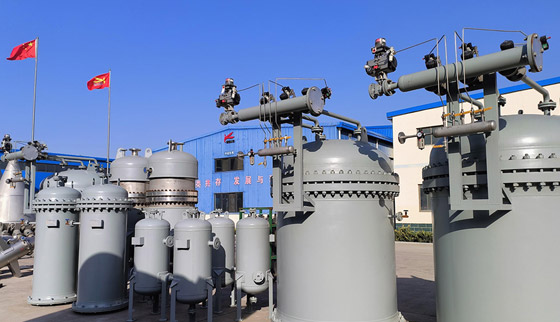
At present, the consumption of hydrogenation catalyst in most existing cyclohexanol production plants stands at 1.15 g per ton of cyclohexanol. Taking a plant with an annual output of 300,000 tons of cyclohexanol as an example, the daily consumption of hydrogenation catalyst is approximately 1 kg, with an annual consumption of around 350 kg, a large proportion of which is lost. To prevent catalyst loss, our company has specially designed filters to recover hydrogenation catalysts, saving the client millions of RMB in losses every year.



 0373-7722918