Ceramic Membrane Industry’s New Development Phase: Technological Progress & Expanding Application Scenarios
Ceramic membranes are porous separation media fabricated from inorganic ceramic materials, featuring high temperature resistance, corrosion resistance and favorable mechanical strength. In recent years, driven by advancing environmental policies and manufacturing upgrading, their application scope has gradually expanded beyond traditional industrial water treatment to numerous other sectors. According to public industrial data, water treatment remained the dominant application field for ceramic membranes as of 2024, accounting for over 50% of total demand. Meanwhile, their adoption ratio in new energy, biomedicine, food and beverage industries keeps rising.
Continuous Improvement of Policy Environment
At the national level, documents including the 14th Five-Year Plan for the Development of Energy Conservation and Environmental Protection Industry and the Action Plan for Improving Industrial Water Efficiency support the R&D and industrialization of high-performance membrane materials. Several local policies set clear targets for industrial wastewater reuse. For example, the Technical Specification for Zero Discharge of Industrial Wastewater (Draft for Comment) issued by the Ministry of Ecology and Environment stipulates that the wastewater reuse rate in metallurgy, printing and dyeing and other industries shall reach no less than 90% by 2027. Such requirements will likely generate sustained market demand for highly durable filter materials.
Gradual Diversification of Application Scenarios
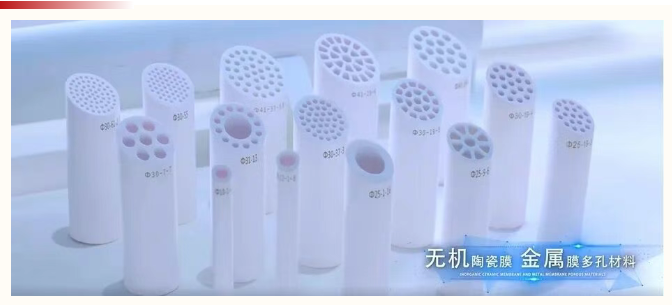
Apart from traditional scenarios such as upgrading municipal sewage treatment plants and reclaimed water reuse in industrial parks, ceramic membranes have been deployed in full-scale engineering projects in the following sectors:
New energy material production and recycling: Solid-liquid separation in hydrometallurgical processes for lithium battery cathode materials;
Biomedicine: Serving as filter components for clarification and sterile filtration of certain biological products;
Food processing: Cold sterilization and clarification of liquids including dairy products, fruit juices and condiments;
Electronic chemicals: Acting as terminal fine filtration units in ultrapure water preparation systems.
It should be noted that different application scenarios impose differentiated requirements on membrane pore precision, chemical stability, sanitary grade and other indicators. Comprehensive evaluation based on actual process conditions is essential for proper membrane selection.
Directions of Technological Development
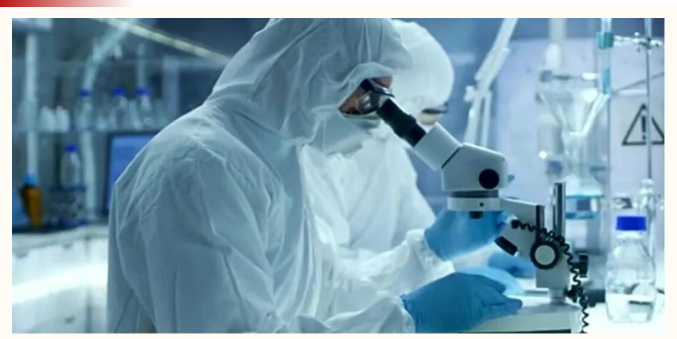
At present, industrial R&D mainly focuses on the following directions:
Material modification: Optimize flux and anti-fouling performance via surface coating or composite structural design;
Structural design: Develop forming technologies for multi-channel and large-size modules to suit large-scale industrial use;
Manufacturing processes: Cut energy consumption and improve product consistency in core procedures including sintering and phase inversion;
System integration: Integrate sensors and control systems in some projects to realize real-time operational monitoring.
In addition, research institutes and enterprises are exploring resource recovery routes for spent ceramic membranes and verifying the feasibility of high-temperature regeneration technologies.
Regional Layout and Industrial Chain Coordination
China’s ceramic membrane industry features obvious regional agglomeration. Relying on solid chemical and equipment manufacturing foundations, the Yangtze River Delta boasts a complete upstream and downstream supporting system. Driven by environmental governance demands, the Beijing-Tianjin-Hebei and Pearl River Delta regions serve as major application markets. Leveraging local resource endowments, central and western China carry out application trials for specific industrial processes.
In terms of the industrial chain, the upstream covers raw powder supply, the middle stream focuses on membrane module production, and the downstream includes engineering design and operation & maintenance services. Several projects promote coordinated R&D covering "materials – equipment – end applications" to boost overall matching performance.
Conclusion
As a type of inorganic separation material, ceramic membranes feature unique properties that render them suitable for specific harsh working conditions. With the gradual improvement of relevant standard systems and continuous expansion of application scenarios, the industry is expected to achieve sound and orderly growth under standardized and stable operation.



 0373-7722918